At Moonlake, we are building the simulation infrastructure platform for companies that need to build and manage worlds (assets, scenes, digital twins) at scale, including robotics/autonomy teams and digital factory operators building the next generation of physical AI systems.
There are two different markets for SimReady asset and scene creation today. The first is for assets that are simple in affordance (i.e., mostly rigid-body) and scenes where "good-looking" is enough. They are commonly used as background props or simple pick and place simulations and are increasingly commoditized. The second is for assets that are meant to be interacted with and scenes with dynamics beyond rigid bodies. This is when quality is not just a single dimension: a world must be evaluated across geometry, visual materials, structural validity, articulation, as well as physics behavior such as deformation, friction, mass, constraints, and collision.
The problem in the industry is that the second type of assets and scenes are hard to scale — the correct output depends on the customer's environment, the intended task, the downstream physics engine, the required level of realism, and the validation criteria. Different engines simulate deformation and various other dynamics differently. Different robotics and autonomy teams need different scene ontologies. Different digital twin workflows require different levels of physical accuracy and operational detail.
This work done by technical artists and simulation engineers is painstakingly manual. The hard part is not generating a first-pass through MCP, Claude Code, or Codex. It's knowing whether that asset is correct, useful, editable, and ready for simulation.
That is why Moonlake is built around verification: checking what failed, what part of the geometry needs to be fixed, how to automatically repair them, and what still needs human attention. To do that, we've done three things: (1) cloud integration with a wide set of models and tool chains (e.g., different physics engines such as MuJoCo or NVIDIA Isaac Sim) so that these verification loops can run autonomously; (2) build a system that goes beyond text-to-CAD and can take messy multimodal input from the real world (e.g., CAD, point clouds, scans, images, walkthrough videos, facility descriptions, floor plans, equipment references, or existing scene assets), reason across geometry, materials, structure, articulation, physics metadata, and simulator requirements, and output the SimReady assets and scenes, and (3) enable self-improvement from human workflow demonstrations, allowing the system to self-improve and adapt to different downstream use cases' workflows and standards.
Our product today primarily finds applicability across two domains: simulation and operationalization of digital twins. Simulation can include training robotics, world models for AGI research, autonomous vehicles, or content creation for media and entertainment. On the other hand, operationalization of digital twins involves the reconstruction of scans into reusable assets, e.g., turning image and point-cloud scans into SimReady assets for Digital Factory Integration projects.
Practical example: Image to SimReady digital twins
The bottleneck is not data capture. A warehouse walkthrough, factory video, construction-site scan, or equipment photo set can be captured in hours, sometimes minutes. The hard part is turning that raw visual data into a simulation-ready environment: structured, editable, physically meaningful, and ready to run inside a downstream engine.
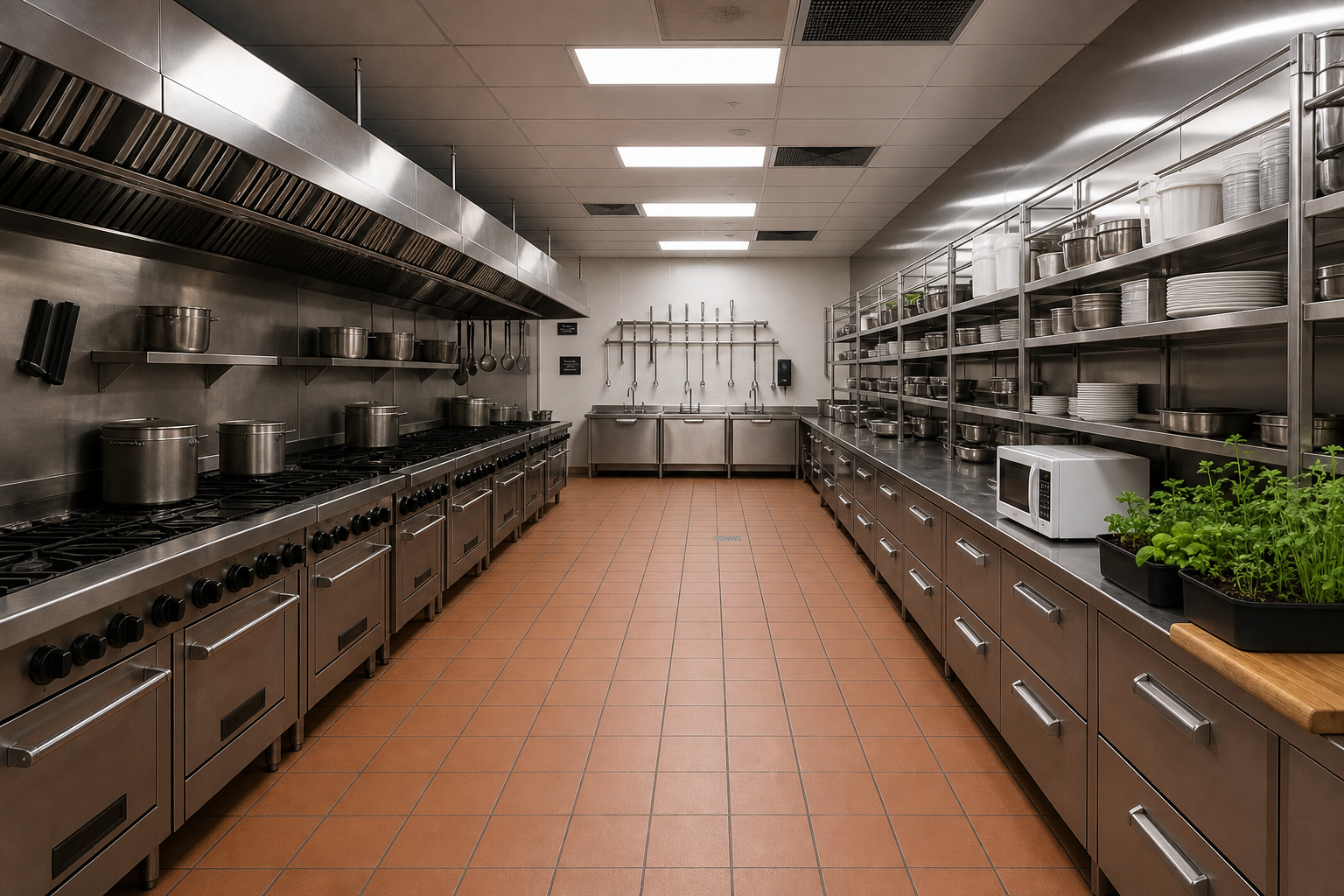
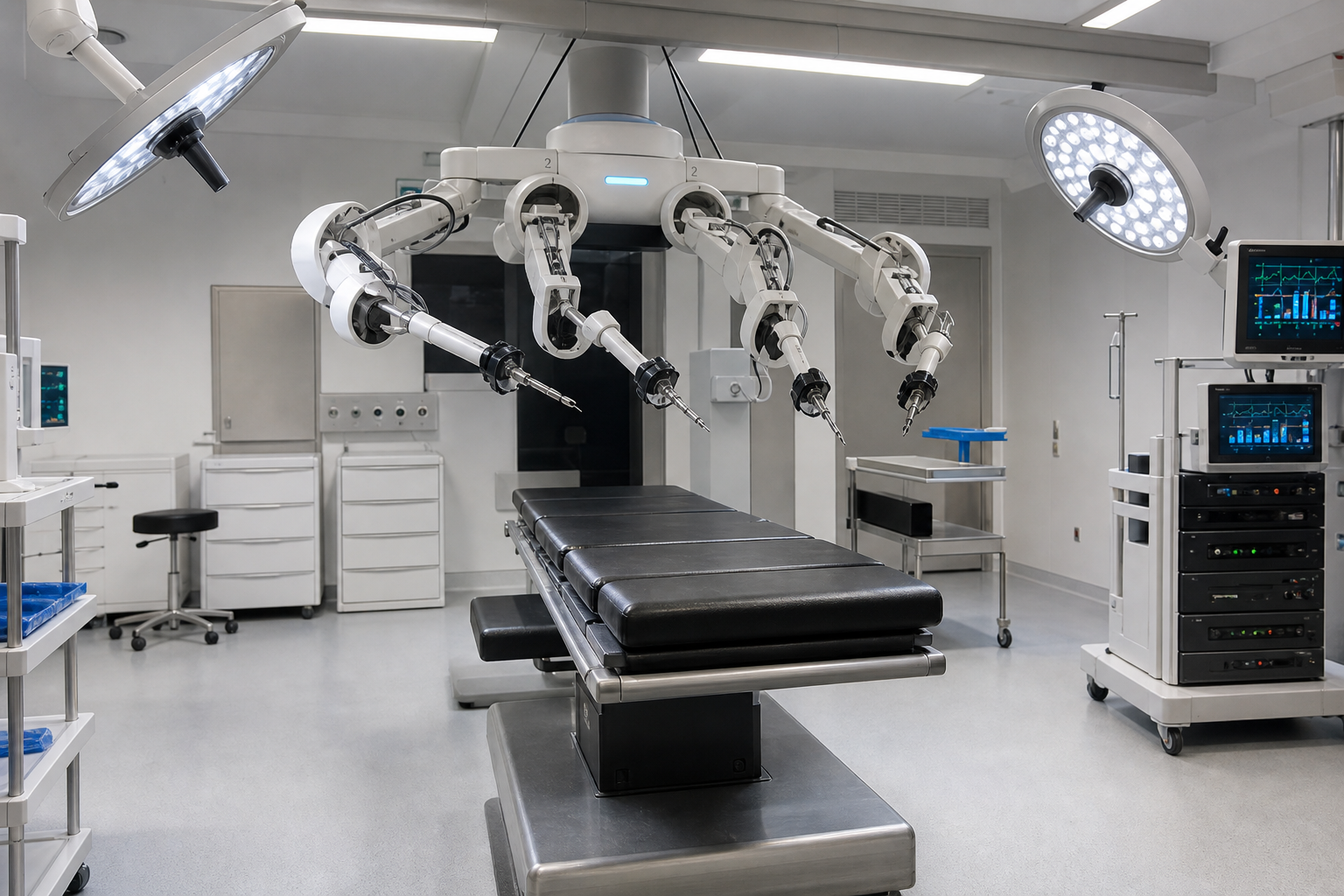
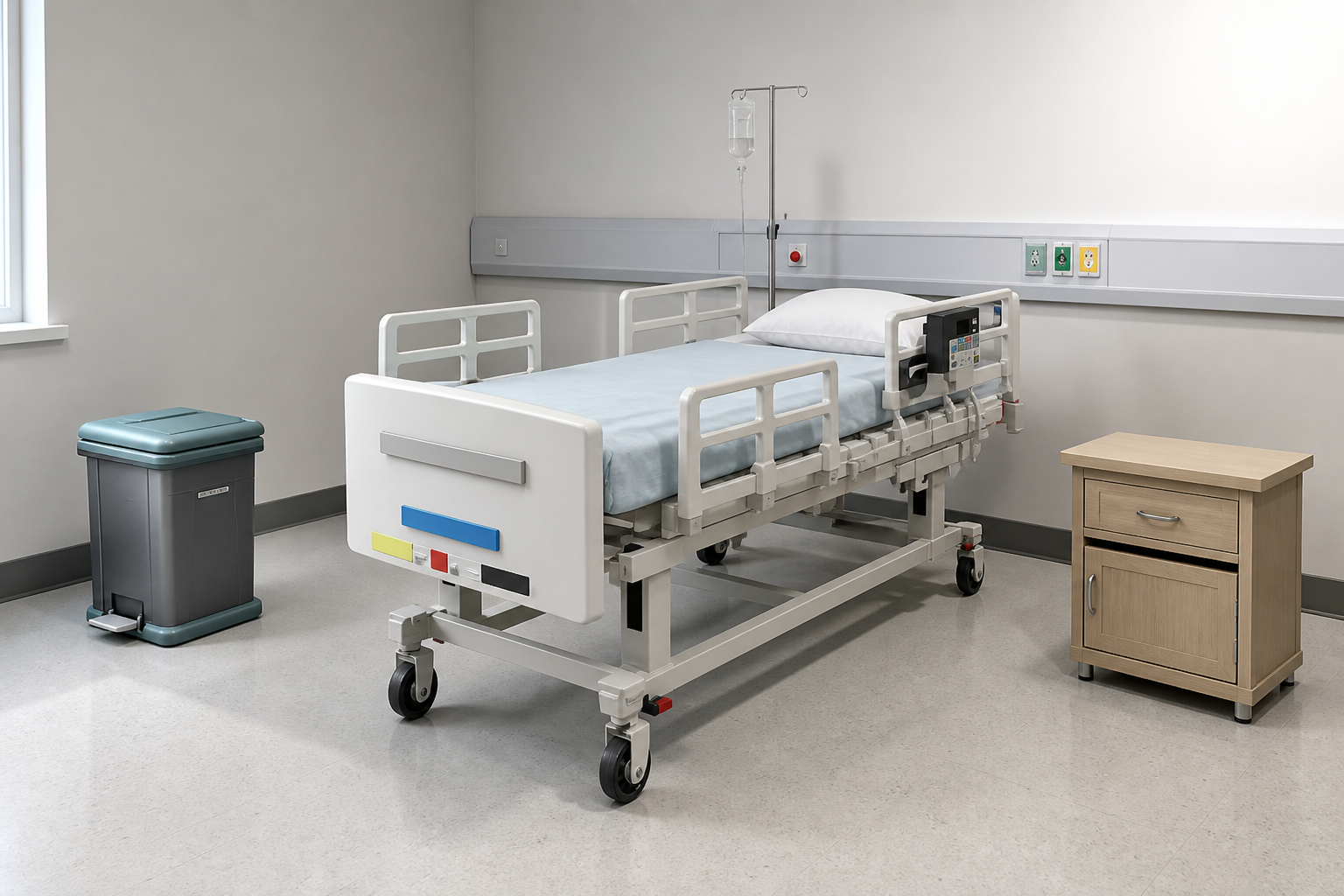
In the examples below, we show Moonlake's 3D agent converting real-world image inputs into simulation-ready scene outputs.
Disclaimer: The following example input images have been edited with AI and re-ran on our 3D agent to preserve our clients' privacy.
Left: source image input. Right: generated simulation-engine output.
Kitchen
Medical
Warehouse
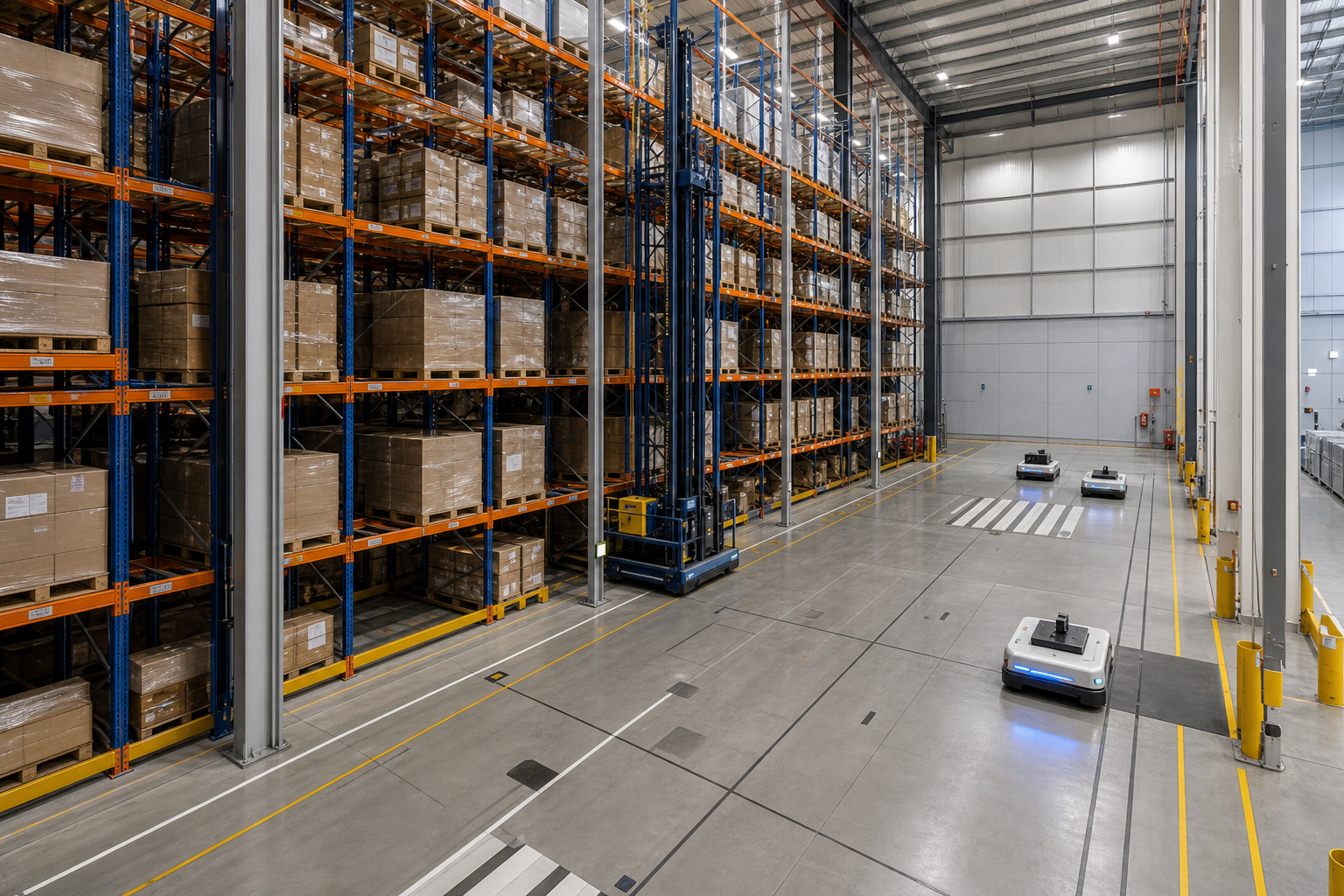
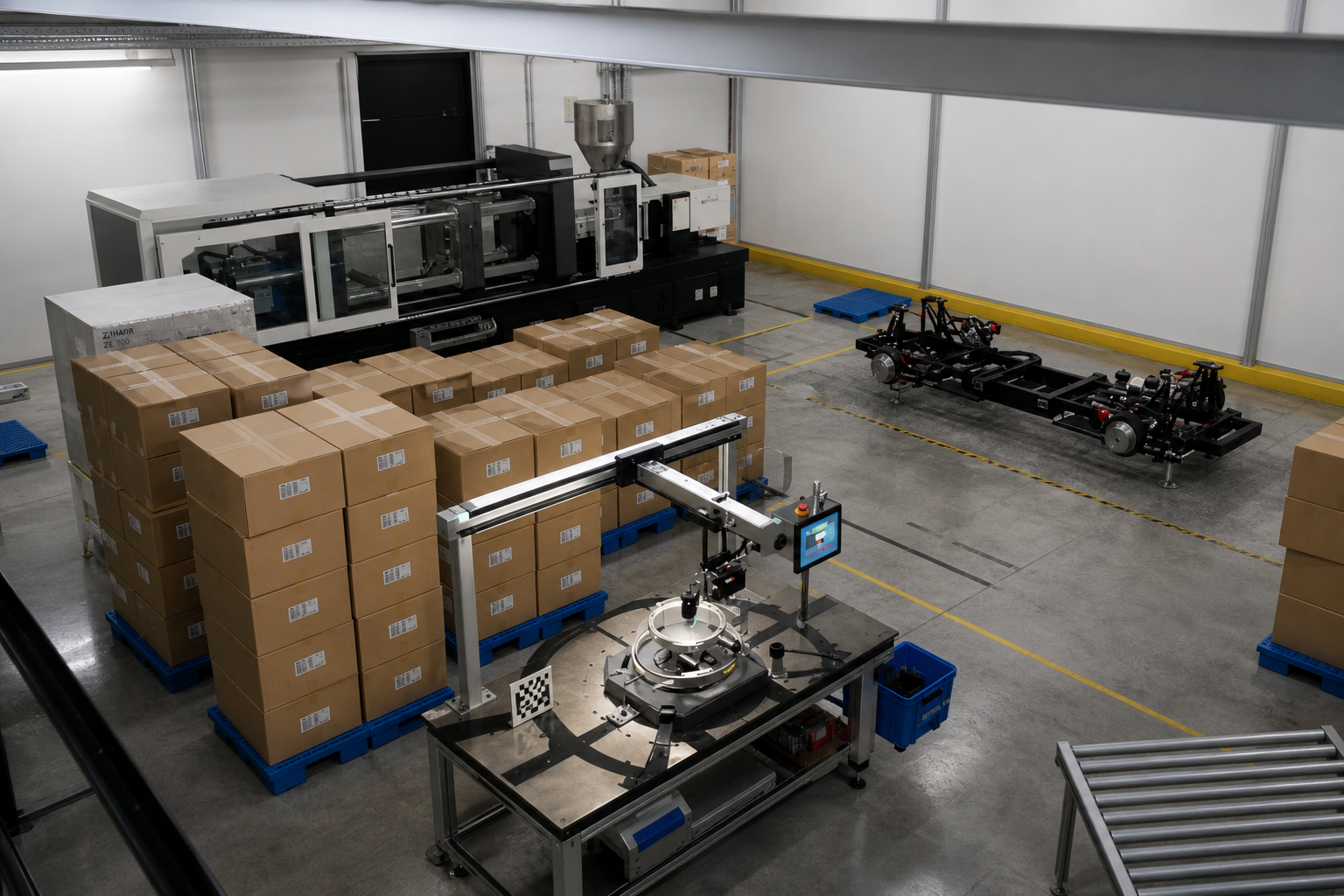
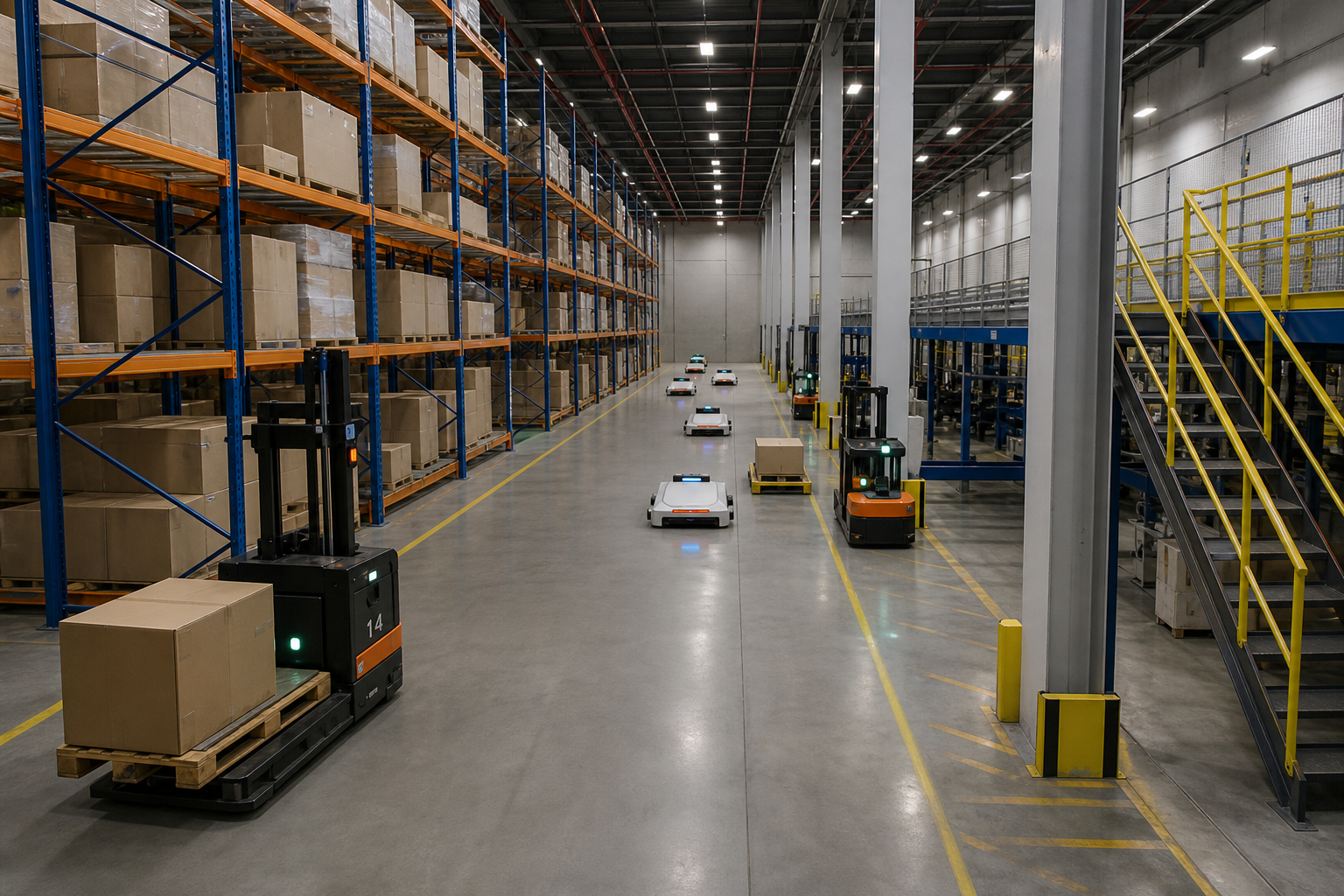
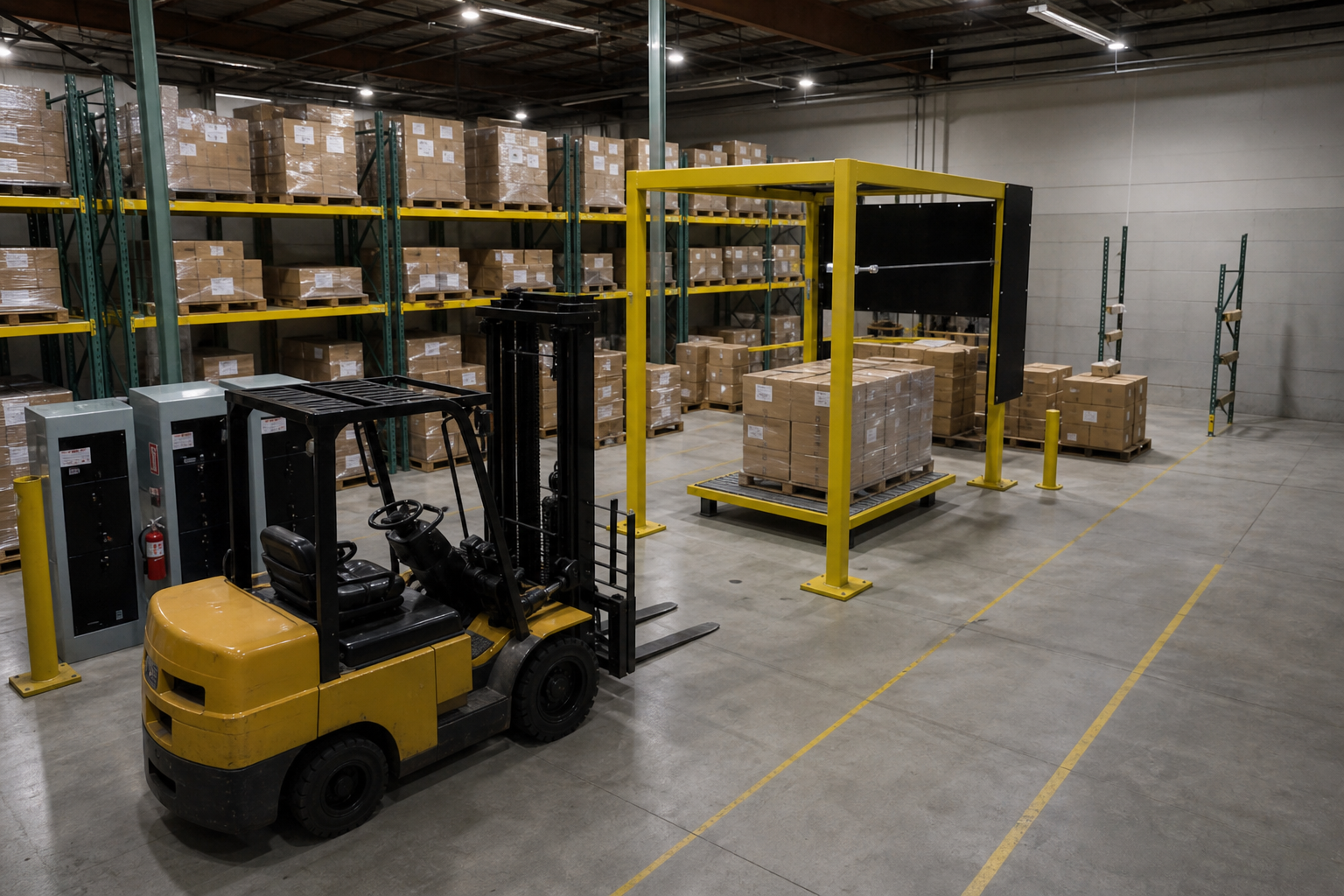
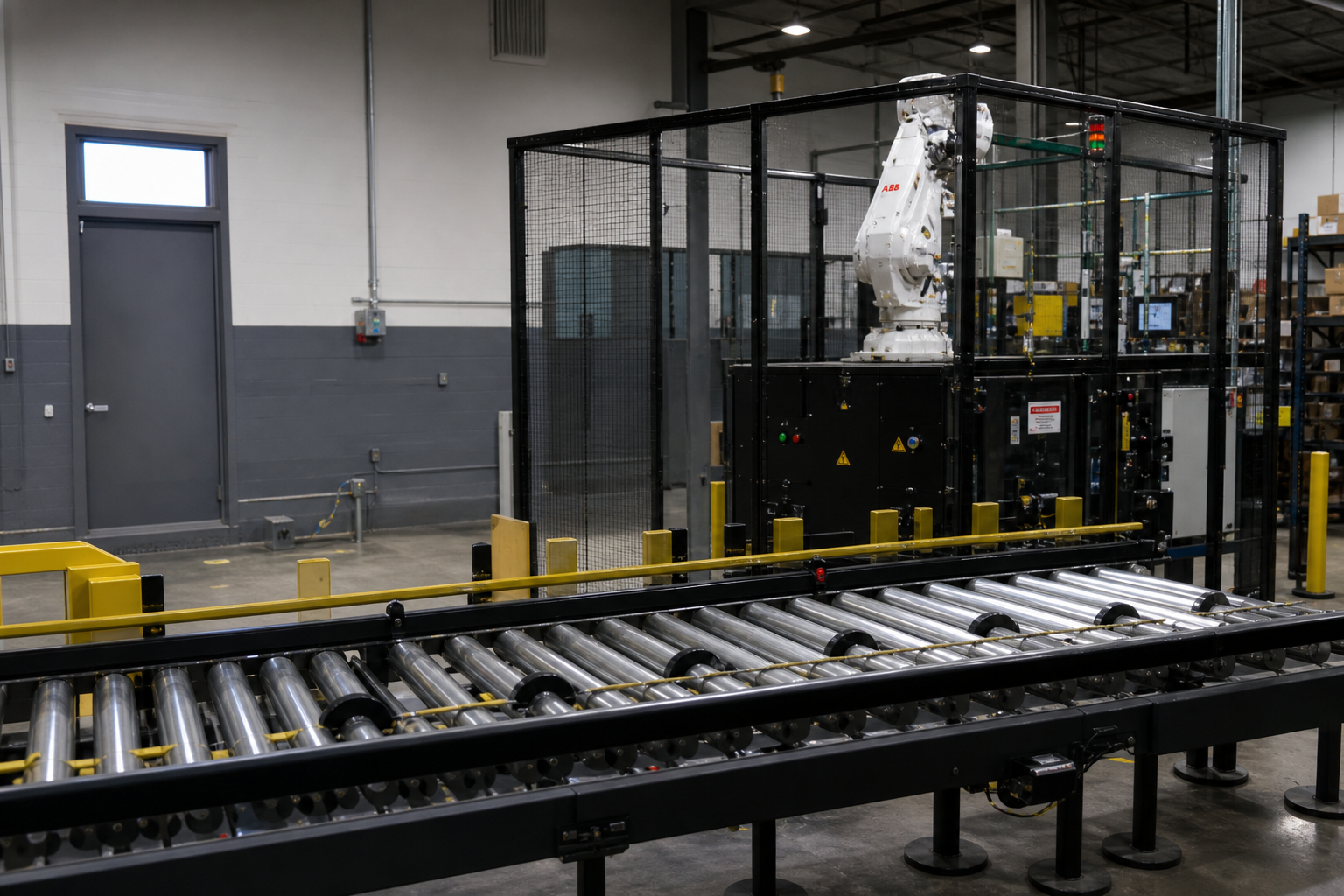
The output is not just a visual reconstruction. It is a simulation-ready scene that can include:
- metric scale and clean transforms
- object hierarchy and scene organization
- semantic naming and grouping
- geometry suitable for validation and export
- materials and texture compatibility checks
- collision proxies
- static, dynamic, or kinematic rigid-body metadata where applicable
- navigation regions, safety zones, or task-specific annotations where applicable
- validation results with remaining warnings or failures
- USD/USDZ export for OpenUSD-based workflows
- simulator-specific integration notes for Isaac Sim, MuJoCo-oriented, or internal robotics workflows where applicable
- (upon request) ensure maximum asset and scene reusability by ensuring the compatibility of our output to NVIDIA Omniverse Replicator, i.e., ready for synthetic data generation to get the full value out of the assets you're producing. That requires creation of correct VariationSets etc. on the asset and scene.
Complementing NVIDIA's CAD-to-SimReady Stack
In many industrial and robotics workflows, the starting point is not a prompt but an existing CAD file, especially for machinery, equipment, vehicles, tools, and articulated objects.
Moonlake's product uses the foundation provided by NVIDIA to convert CAD to OpenUSD, a format that our agent can continue to refine and validate in various simulation scenarios. Every asset iteration runs through both our and NVIDIA's SimReady validation stack (simready-foundation, simready-validate). Additionally, by building on top of NVIDIA's world understanding reference of working with content-agents, we have achieved state-of-the-art texture refinement, material assignment, and physics refinement.
Additionally, upon request, we can also provide schematic information for each asset compatible with USD Search such that assets can be indexed and reused easily.
Together, these workflows create a scalable path from existing CAD, images, scans, or point clouds to production-ready simulation worlds.
Moonlake's world-building philosophy
Our philosophy at Moonlake is to build world-building software that can self-improve in both world awareness and logic awareness. It will autonomously improve over time: the more expert workflows Moonlake observes, the more validation loops it runs, the better it becomes at building and reconstructing complex worlds for simulation.
The result is a system that scales through data flywheels and can intelligently generate and manage simulations on the fly. Assets and scenes can be stored, semantically searched, versioned, automatically validated, and deployed across a wide variety of downstream applications.
This is the future we are building toward: AI systems that do not just generate worlds, but understand how they work.
Work with us
Start with a 1 week pilot around one bounded workflow ([email protected]).
- Scope: one site section, workcell, or asset class; one simulator target; one validation rubric.
- Inputs: images, video, CAD, scans, point clouds, floor plans, or existing assets.
- Deliverables: editable Blender scene, USD/USDZ export, validation report, remaining warnings/failures, and simulator integration notes.
- Success criteria: the output imports into the target workflow, passes agreed validation checks, and materially reduces manual scene or asset cleanup time.